
When and where to go on vacation? My effective booking strategy and destination calendar.
Don't overpay for your vacation! Learn my strategy for booking flights, hotels, cars, and tickets. Check out my universal travel calendar: where and when to go to find the best weather and the lowest prices. It's a complete guide for the savvy traveler!
Short:
If you want to reduce travel costs, don't book everything at once. It's best to plan flights well in advance, book your car in advance (preferably with free cancellation), and it's often worth waiting until closer to the date to book accommodations in cities. Choose your travel dates to combine good weather with lower prices and fewer tourists. Below, I've outlined my strategy and a year-round calendar of destinations.
Reservation strategy: when are the systems cheapest for us?
Most tourists make the same mistake: they book everything at once. This mistake stems from a desire for "peace of mind," but in tourism, this peace of mind comes at a high price. Each service has a different sales cycle, and your job is to sense the moment when the algorithms are least aggressive.
I've been doing this several times a year for over a decade. Here, I've gathered everything in one place. You get the sum of my experiences in a condensed form. I've deliberately simplified much of the information. Deeper knowledge of the details is sometimes useful, but most often it doesn't lead to further improvements in results. This text will save you a lot of time and money... if you take a few minutes to read it calmly.
Important : You'll likely return to this text many times. How do I know? Until now, it's been my personal notes, and I've revisited it quite often (nobody memorizes this information). Now I've simply given it a user-friendly format and am publishing it as a guide. I'll be referring to it myself, too! 🙂
If you'd like to learn more, you'll find links to detailed information throughout the post. Individual guides, guidebooks, maps, and specific plans are also included. I hope this book will keep you engaged for a while, and your trips will be easier to plan and much more affordable!
Airline tickets: the battle for price classes
In short: The best time to book is 3 to 6 months before departure.
Airlines operate complex price management systems. Seats are divided into so-called booking classes. The cheapest pools are released first to "boost" sales and fill the passenger base. The closer to departure, the system automatically shifts sales to more expensive pools. Algorithms assume that last-minute ticket buyers (often business trips or sudden family getaways) are desperate and will pay any price. Waiting until the mythical "last minute" for flights is the easiest way to overpay.
Cheap flights
Below, you'll find a tool I created that looks like a regular search engine, but is actually really fast and clever. It allows you to instantly check flight prices to your destination.One click on the "OK" button without entering anything, you can check the current prices of airline tickets from all airports in the country (Poland is entered by default). The form works in real time and immediately generates current call prices! If you want to check connections from another country (or city), simply enter its name in the box. Later (if the list proves interesting), you can modify the search parameters on the landing page (starting city, dates, currency, language, etc.). The search engine works on all devices (phone, computer, tablet) and automatically adjusts functionality to the device type and screen size.
The landing page is probably the world's largest airline ticket comparison and search engine: Skyscanner
The website works in 24 languages and if it opens in a language other than your preferred one, simply switch it (in the menu or the globe icon in the upper right corner).
Accommodation and Hotels: The Occupancy Game
Here, the strategy depends on the destination, and the booking window is usually 1 to 3 months in resorts and popular cities or 2 to 4 weeks in other cities.
Hotels operate on a projected occupancy basis. If a hotel doesn't have at least 70% of its rooms booked a month before the date, their systems begin aggressively reducing prices to avoid so-called vacancies. A room that doesn't earn a profit that night is a net loss for the hotel. Therefore, in large cities, it's worth keeping your cool and looking for deals several weeks before arrival. The exceptions are popular resorts during peak summer and popular cities. Here, the best properties with excellent value for money sell out completely in early booking offers in winter.
In my guides, I publish special accommodation links that incorporate additional filters. These filter the results to eliminate what doesn't interest you and focus on finding the best deals for a specific location and city. You're sure to find them, and you'll likely enjoy using them.
Tip : Forget about booking a flight and accommodation at the same time. It's the easiest way to overpay. Each of these services has different pricing dynamics. Flights are booked months in advance, while it's sometimes worth waiting for a night in the city.
Car Rental: Locking Down a Rigid Fleet
In this case, you'll need to be quick. Aim for 2 to 4 months before your departure.
Rental fleets are rigid and limited by the physical number of cars on the lot. Rental companies can't suddenly "reorder" a hundred cars when crowds descend on Mallorca in July . When demand increases and the number of available keys decreases, prices jump dramatically, often by several hundred percent.
My method : book your rental as early as possible, choosing the free cancellation option. This way, you lock in a low rate, but you can check prices regularly and simply change your reservation if a better deal comes up.
The blog includes a quick guide and a search engine for car rentals with full insurance, no credit card required, and no deposit required. The guide also includes links to additional information about safety, insurance, and other practices for rental companies and… customers. Definitely worth reading!
read : car rental without a credit card – [click]
In addition, virtually every destination has its own car rental guide, in which I describe my own experiences, recommend reliable local rental companies (e.g. Mallorca , Alicante , Malaga , etc.), and even publish copies of rental documents (e.g. in Sicily ).
You'll find relevant links to car rental guides directly in my guides!
Entry tickets: digital window and limits
This is a service that we book at the latest, usually 1 to 7 days before the visit (but there are a few exceptions).
Modern mass tourism has forced attraction operators to implement strict entry limits. On-site ticket offices are slowly becoming obsolete. Sometimes, they're used solely to exchange an online code for a paper ticket. Online booking is often the only guarantee of entry at all (e.g., to the Louvre in Paris or the Colosseum in Rome). Furthermore, by purchasing tickets in advance online, you gain something more valuable than money: time you won't waste waiting in long lines.
Unfortunately, some attractions require tickets to be booked weeks (or even months) in advance. I always mention this in my guides and provide convenient links for booking tickets. So, there's no point in writing about it in more detail here.
Instead, I've included a simple ticket search engine below. It's quick and easy. Simply enter the name of a city, place, or attraction, or even better, the abbreviated name of the attraction (e.g., Eiffel Tower instead of Eiffel Tower), and you're done. The search engine is very flexible and will suggest available options.
Online admission tickets
Travel insurance: complete peace of mind
In short: You only need to buy insurance one week before your departure.
The price of the insurance is fixed and doesn't depend on advance payment. Theoretically, purchasing it six months in advance locks up your cash (though in Europe, these amounts are really small, around €10-15 for a whole week!) without any benefit. However, it's important to buy it before your departure so that the protection starts from the moment you walk in the door.
Since there's no need to rush and we often have a lot to take care of before leaving, many people forget about this. So I recommend buying it while you still remember, because the small amount spent on insurance can save you a lot of trouble.
I usually find the best deals on this comparison site – [click] (in this case, Rankomat) – and buy them online. It's really quick and cheap.
If you need a good source of insurance outside of Poland, check out the highly rated EKTA insurance company – [click] , available in over a dozen languages and selling insurance products worldwide. If the page opens in the wrong language, simply change the language (top right).
Below is an example of a good and not at all the cheapest offer from a price comparison site (for an entire week in 2025).
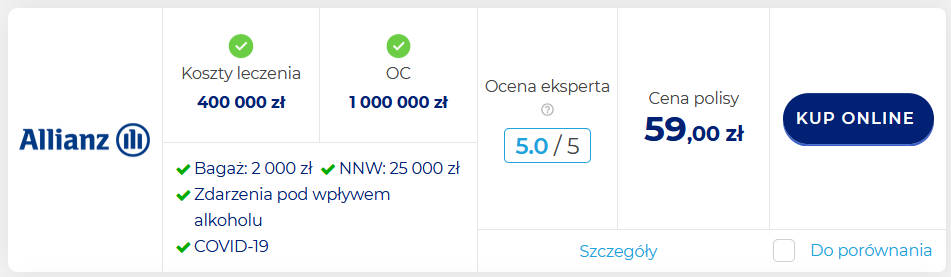
I never choose the cheapest offer, because the price difference between the cheapest and a really solid offer with high insurance values is usually around 3 EUR (around 15 PLN). This is not a saving worth the risk.
Two parameters are key in the offers:
goat goat (KL) – the amount of PLN 250,000 (EUR 60,000) is the minimum
Civil protection (OC) – the amount of PLN 250,000 (EUR 60,000) is the minimum
it is worth paying attention to two additional parameters:
Consequences of Accidents (NNW) – at your discretion
travel luggage insurance – at your discretion
For the curious: statistical data
The tourism market is highly seasonal, but booking trends (the so-called "booking window") vary significantly depending on the service category. Below, I present a statistical overview of changes in bookings over the year, based on average market data from recent years.
It should be clearly stated that this is not my suggestion as to how far in advance you should book. These are data describing real human behavior.
My strategy (e.g. booking a car 4 months in advance) differs from the market average (people do it 4 weeks in advance) because I want the lowest price and most people book in panic.
Airline tickets
Peak bookings: January – March and October
Average lead time: 3-6 months
Hotels and accommodation
Peak bookings: May – July and January
Average lead time: 1-3 months
Car rental
Peak bookings: June-August
Average lead time: 2-4 weeks
Attractions and entrance tickets
Peak bookings: July – August (current)
Average lead time: 1-5 days
Travel insurance
Peak bookings: June – July and December
Average advance notice: 1-7 days before departure
Traveler's Calendar: Where and When to Go?
Just a reminder that the calendar below is primarily a compilation of destinations and dates where good weather and low prices coincide ! You can, of course, travel to each of these destinations on other dates, but then the expected, beneficial synergy may not occur. It may be slightly more expensive, or the weather may prove less optimal (too hot, too cold, or rainier).
When choosing these specific dates, I focused on the moment when the crowds of tourists have either disappeared or haven't yet arrived, and nature still (or already) offers its best. This ranking is the result of my many years of experience and analysis of price trends.
For your convenience , I've also included alternative dates for each destination and date , which are also worth considering. Remember, flexibility is the most effective weapon in the fight for affordable and successful travel.
January
Time for a budget tour of European cities: Seville , Malaga , Cordoba ( Andalusia ), Valencia , Alicante , Valletta ( Malta ), Palermo ( Sicily ), Rome , Naples , Bari ( Apulia ), Barcelona , which are now taking a break from the crowds, and far-off exotic escapes from the deepest winter.
Canary Islands (especially Tenerife, Fuerteventura and Gran Canaria): The most stable weather in Europe. This is the time when flights are cheapest, unless you're planning for the winter holidays. An ideal destination for those who want temperatures around 20-22 degrees.
Good time for that too: all year round.
see: Tenerife – guide to what to see and map of attractions – [click]
Albania (Tirana and surroundings)While this isn't the time for sunbathing, it is the perfect time for an extremely affordable getaway focused on cuisine and history. Tirana's restaurants offer world-class dining at a fraction of the price of Western Europe.
Good time for that too: May-September (beach), March-October (sightseeing).
Tajlandia: This is the absolute peak of the weather season. There's no rain and the humidity is bearable. It's worth focusing on the islands in the Andaman Sea (e.g., Phuket, Krabi). Prices are high, but the weather is guaranteed.
Good time for that too: February, March, December.
February
The perfect time to soak up the sun in places where the high season is slowly coming to an end and flight prices after the holiday rush start to drop significantly.
Madeira (Portugal): The island of eternal spring tempts visitors with its lack of crowds in February. Although it may rain, the landscapes are at their most lush and green. Perfect for levada trekking enthusiasts.
Good time for that too: all year round, with particular emphasis on May.
see: Madeira – guide to what to see and map of attractions – [click]
Rome (Italy)February in Rome is the only time you can catch your breath in the Vatican or at the Trevi Fountain. Hotel prices in the city center are down by up to 40% compared to May.
Good time for that too: March-April, October-November.
see: guide what to see and map of attractions in Rome – [click]
Morocco (Marrakesh)February is a month of intense sunshine, but not a blazing heat. It's the perfect time to stroll through Jemaa el-Fnaa Square and explore the palaces. Evenings can be cool, making it ideal for sleeping in traditional riads.
Good time for that too: March-May, October-November.
March
A month of great awakening! Spring begins in Southern Europe, and in further corners of the world it's the last chance for perfect weather before the rainy season.
Andalusia (Spain – Seville, Malaga)March is the time when the scent of orange blossoms fills the air. It's perfect for exploring the Alhambra without having to search for shade every five minutes.
Good time for that too: April-May, October.
see: Andalusia – what to see: map of attractions and guide – [click]
other guides: Malaga – [click] , Seville – [click] , Cordoba – [click]
Cyprus: While it's still grey in Poland, temperatures in Cyprus are hovering around 20-22 degrees Celsius. This is the time when the island is still green, before the summer sun burns away the vegetation. It's a perfect time to explore the archaeological treasures of Paphos.
Good time for that too: April-May, September-October.
Jordan: A happy medium between winter and scorching summer. Petra and the Wadi Rum desert in March offer ideal temperatures for hiking. It's also a great time to swim in the Dead Sea.
Good time for that too: April, October-November.
April
The period 'in between'... we avoid the Easter crowds to enjoy the first heatwaves in the Mediterranean without the summer heat.
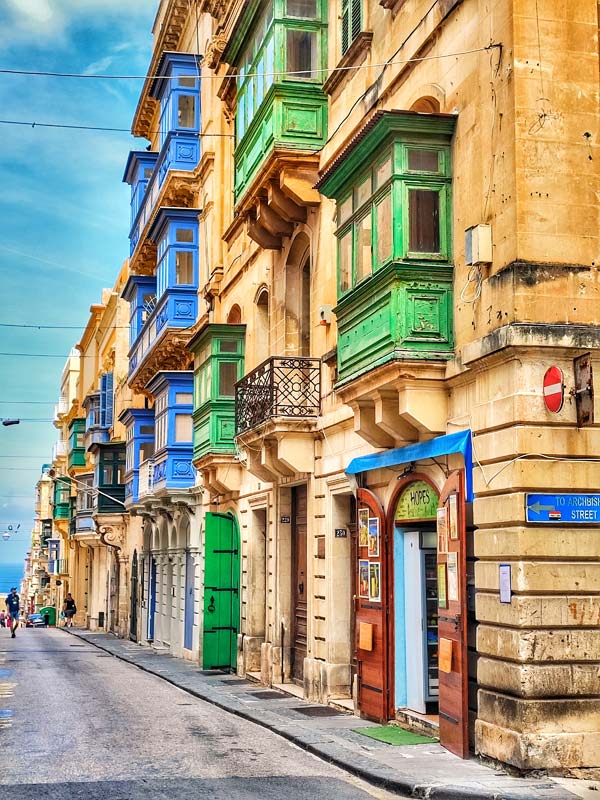
Malta: In April, the island is not yet sun-baked, and the sea breeze is pleasantly refreshing. This is the best time to explore Valletta and the Three Cities.
Good time for that too: May-June, September-October.
see: Malta – what to see: map of attractions and guide – [click]
Sicily (Italy)April at Mount Etna is an explosion of flowers and flavors. Now is the perfect time to sample local produce at markets in Catania or Palermo before they become inundated with tourists.
Good time for that too: May-June, September-October.
see: Sicily – what to see: map of attractions and guide – [click]
Madeira (Portugal)April on the "Island of Eternal Spring" is when nature literally bursts into life. If you enjoy trekking along the levadas, this is when temperatures are at their most pleasant (around 20-22°C). It's warm enough to shed your jacket, but still brisk enough that the uphill climbs don't break a sweat. It's also the time when the island prepares for its famous Flower Festival, so the colors of the landscape are simply breathtaking.
Good time for that too: all year round with particular emphasis on May.
see: Madeira – what to see: map of attractions and guide – [click]
May
My favorite month for city breaks and trekking; the days are long, the nature is stunning, and hotels still offer pre-season prices.
April destinations are also suitable (but I can't write everything here)!
Tuscany (Italy): a classic that looks its best in May. The characteristic hills are vibrant green, not yellow from drought. An ideal time for wine tourism.
Good time for that too: June, September.
see: Tuscany – what to see: map of attractions and guide – [click]
Greece (Crete)May in Crete is when the Samaria Gorge opens to tourists. The nature is stunning, and tavernas open after their winter break, offering the freshest food.
Good time for that too: June, September-October.
Türkiye (Aegean Riviera): Before the peak holiday season begins, Türkiye offers luxury hotels at prices unattainable in July. The weather is already summery, but the sea is just starting to warm up.
Good time for that too: June, September-October.
June
Last chance for a budget vacation before the July price madness (though it's not cheap anymore). The water is warm and the days are the longest of the year.
Sardinia (Italy): The Emerald Coast is still accessible to "ordinary mortals" in June. The beaches are not crowded, and the wind makes it easy to practice water sports.
Good time for that too: September.
see: Sardinia – what to see: map of attractions and guide – [click]
Croatia (Dalmatia): June is the time when the days are the longest, the water is already over 20 degrees, and prices in marinas and restaurants have not yet reached the August peak.
Good time for that too: September.
Azores (Portugal): the archipelago in the middle of the Atlantic in June offers the best conditions for whale watching and blooming hydrangeas, which are the symbol of these islands.
Good time for that too: July-August.
July
Peak season, when we (inevitably) focus on less obvious or northern destinations, where the weather is now more reliable and crowds are a bit smaller (which still doesn't guarantee low prices). Of course, if you prefer a more traditional getaway, consider the destinations mentioned earlier.
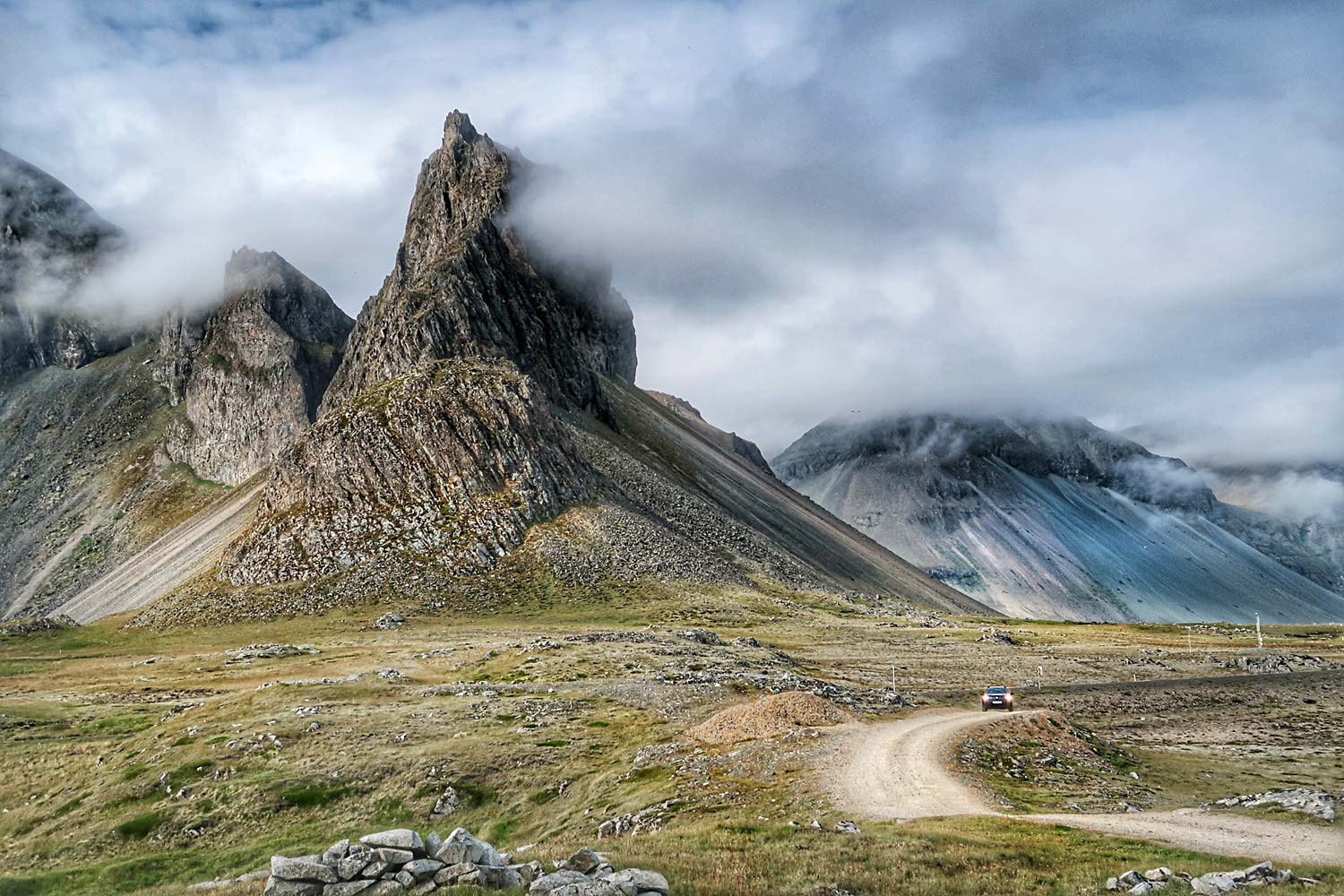
Iceland: the only time the interior of the island is accessible by four-wheel drive vehicles. Midnight sun allows visitors to visit the waterfalls even at midnight, avoiding the largest groups.
Good time for that too: June, August.
see: Iceland – what to see: map of attractions and guide – [click]
Poland (Baltic): Statistically, the most stable weather at the Polish coast falls in July. Despite the crowds, places like the Hel Peninsula offer a unique atmosphere.
Good time for that too: August.
Bulgaria: If you're looking for the best value for money on a warm seaside, Bulgaria still has no competition. The Black Sea coast offers sandy beaches and a low cost of living locally.
Good time for that too: August.
August
The situation is similar to July or (in terms of prices and crowds) even worse :)
Planning cheap trips is a fantasy. Go wherever you want. It's going to be expensive. During the summer months my online ticket search engine It spreads its wings and is the most important thing because it allows you to skip the lines in the largest crowds. Don't forget about it. Be smart!
Norway (Fjords): When it's 40 degrees Celsius in southern Europe, Norway offers a breath of fresh air and incredible views. August is the most stable month in Scandinavia.
Good time for that too: June-July.
Austria (Alps): Summer mountain hiking is a growing trend. Ski infrastructure serves cyclists and hikers, and the lakes in the Salzkammergut region are crystal clear and warm.
Good time for that too: July, September.
Montenegro: A cheaper alternative to Croatia. Although August is hot and crowded, the Durmitor Mountains offer cool temperatures and amazing trekking routes close to the sea.
Good time for that too: June, September.
September
It's a golden age for the conscious traveler: the seas are at their warmest, prices are down 30-40%, and the sun is no longer oppressive but pleasantly warm. The destinations I listed later in October are also suitable (I'm not including them here to avoid artificial crowds).
Mallorca (Spain): In my opinion, this is the best month to visit this island. The water warms up after the summer, the air temperature drops to a comfortable 25-28 degrees, and flight prices become very attractive.
Good time for that too: May-June, October.
see: Mallorca – what to see: map of attractions and guide – [click]
Georgia: a time of grape harvest and incredible hospitality. The weather in the mountains is stable, and in Batumi you can still swim in the sea.
Good time for that too: June, October.
Rhodes (Greece): the island of the sun, where September is still the height of summer, but without the oppressive winds and with fewer family tourists.
Good time for that too: May-June, October.
October
Extending summer in places where the season is in full swing, while in Poland the autumn rain is beginning.
Algarve (Portugal): While frosts are beginning to set in in Poland, in southern Portugal people are still surfing and sunbathing on the beaches. It's the perfect time to play golf or explore the cliffs.
Good time for that too: May-June, September.
see: Portugal – what to see: map of attractions and guide – [click]
Sicily (Italy): the island is "breathing" after being besieged by Italian vacations. The land and water are still warm, and the Sicilian sun is no longer aggressive. It's grape and olive harvest time, a paradise for fans of local cuisine and wine. Accommodation prices in popular resorts like Taormina and Cefalu are down by up to half compared to August. Flights are exceptionally cheap during this time.
Good time for that too: May-June, September-October.
see: Sicily – what to see: map of attractions and guide – [click]
Madeira (Portugal)In October, temperatures hover around 23-24°C, and the ocean is the warmest of the year (around 22°C). These are perfect conditions for trekking along the levadas without the summer crowds. October is a "window" between the summer peak and the very expensive Christmas and New Year's Eve season. You can find great deals on high-end hotels then.
Good time for that too: all year round with particular emphasis on May.
see: Madeira – what to see: map of attractions and guide – [click]
Crete (Greece – south): the southern coast of Crete in October is an oasis of peace with water temperatures often higher than air temperatures.
Good time for that too: May-September.
November
A month of low prices and a resurgence in exotic destinations. It's the perfect time to visit Asia or the Canary Islands without overpaying.
Malta: November is a time for those who don't like the sun but appreciate temperatures around 18 degrees Celsius and cheap flights. Perfect for visiting museums.
Good time for that too: all year round except for hot August.
see: Malta – what to see: map of attractions and guide – [click]
Canary Islands (especially Tenerife, Fuerteventura and Gran Canaria): in the "Canary Islands" there is still spring-summer weather with temperatures around 22-25°C. The ocean is still pleasantly warm after the summer (around 20-21°C), which allows for swimming. This is the best time to escape from the short, dark days in Central Europe. November is the so-called low season before the December Christmas and New Year's Eve rush. This is when you can find the cheapest flights of the year and attractive offers at high-end hotels, which compete for customers during the off-season.
Good time for that too: all year round.
see: Tenerife – guide to what to see and map of attractions – [click]
Egypt: an unrivaled destination from a budget perspective. The sun shines 10 hours a day, and the coral reef continues to delight with its richness of color.
Good time for that too: October, December-March.
Mexico (Yucatan): Hurricane season is ending, and perfect weather is beginning. It's a long trip, but in November you can find some very interesting offers from travel agencies.
Good time for that too: December-April.
OmanNovember is the "golden mean" in Oman. The scorching heat ends, and the temperature begins, hovering around a perfect 25–28°C. This is a destination for those seeking an authentic Middle East without the forest of skyscrapers, but with incredible nature and a thousand-year history.
Good time for that too: October (it is warmer), December-February (ideal, but evenings in the mountains can be cool), March-April (March is also the time of rose blooming in the Jebel Akhdar Mountains)
December
It's time for Christmas markets or a tropical escape to spend the holidays under palm trees before prices skyrocket on New Year's Eve. More on December in wps: Where to go on holiday in December? – [click]
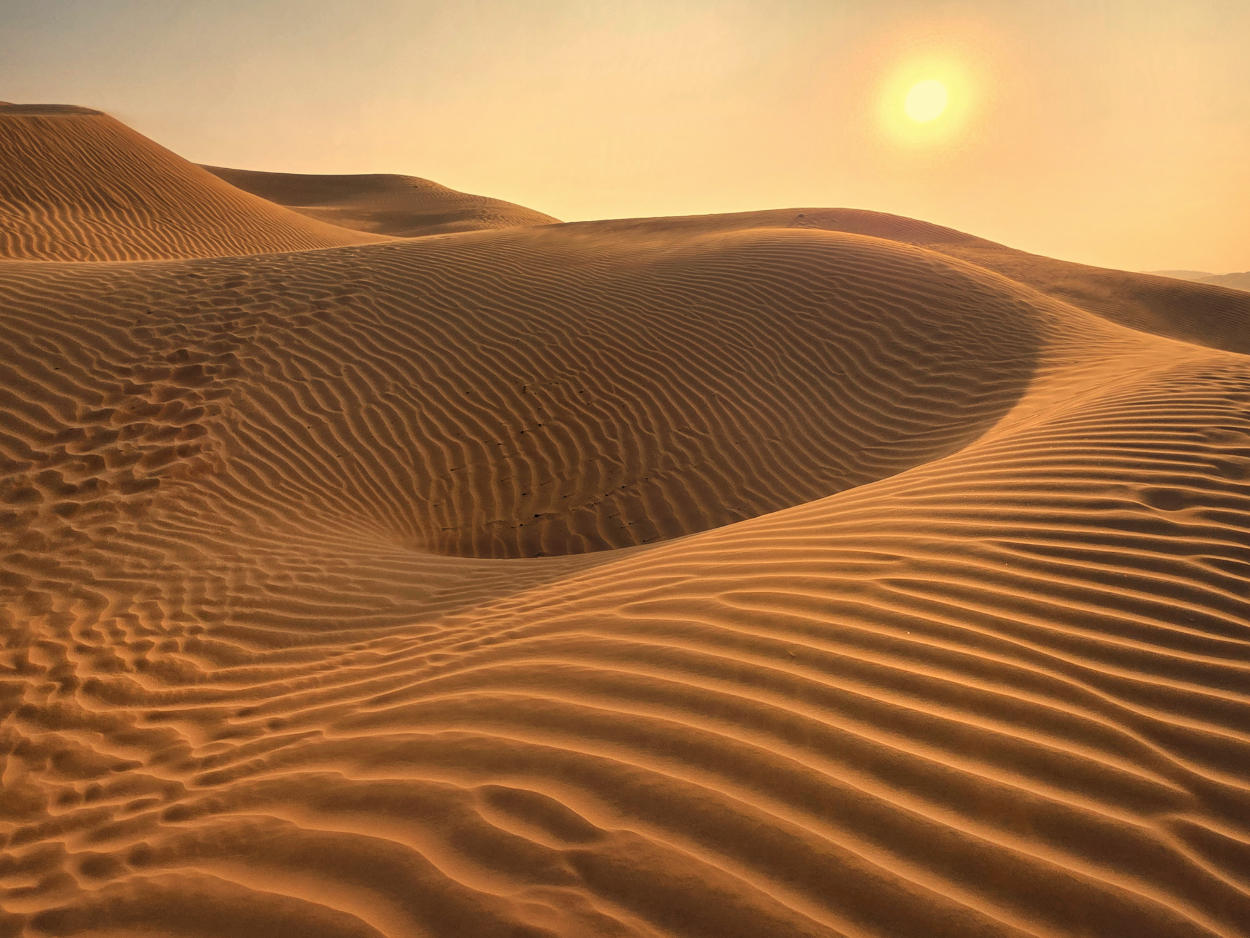
United Arab Emirates (Dubai/Abu Dhabi): When it's freezing in Europe, it's a perfect 25 degrees Celsius there. You can explore the city without air conditioning and enjoy the warm sea.
Good time for that too: January-March, November.
Zanzibar (Tanzania): paradise beaches and white sand. December marks the beginning of the dry season, perfect for escaping the traditional Christmas season.
Good time for that too: January-February, July-September.
Sri Lanka: the southwest coast of the island offers excellent conditions for surfing and elephant watching in the national parks in December.
Good time for that too: January-March.
Directions guide: where, when and under what conditions?
Below, you'll find the same suggestions, but organized by country and region. This overview will allow you to quickly see if your dream destination fits your schedule and budget.
In tourism, there is no such thing as “bad weather”, only poorly chosen dates.
Albania
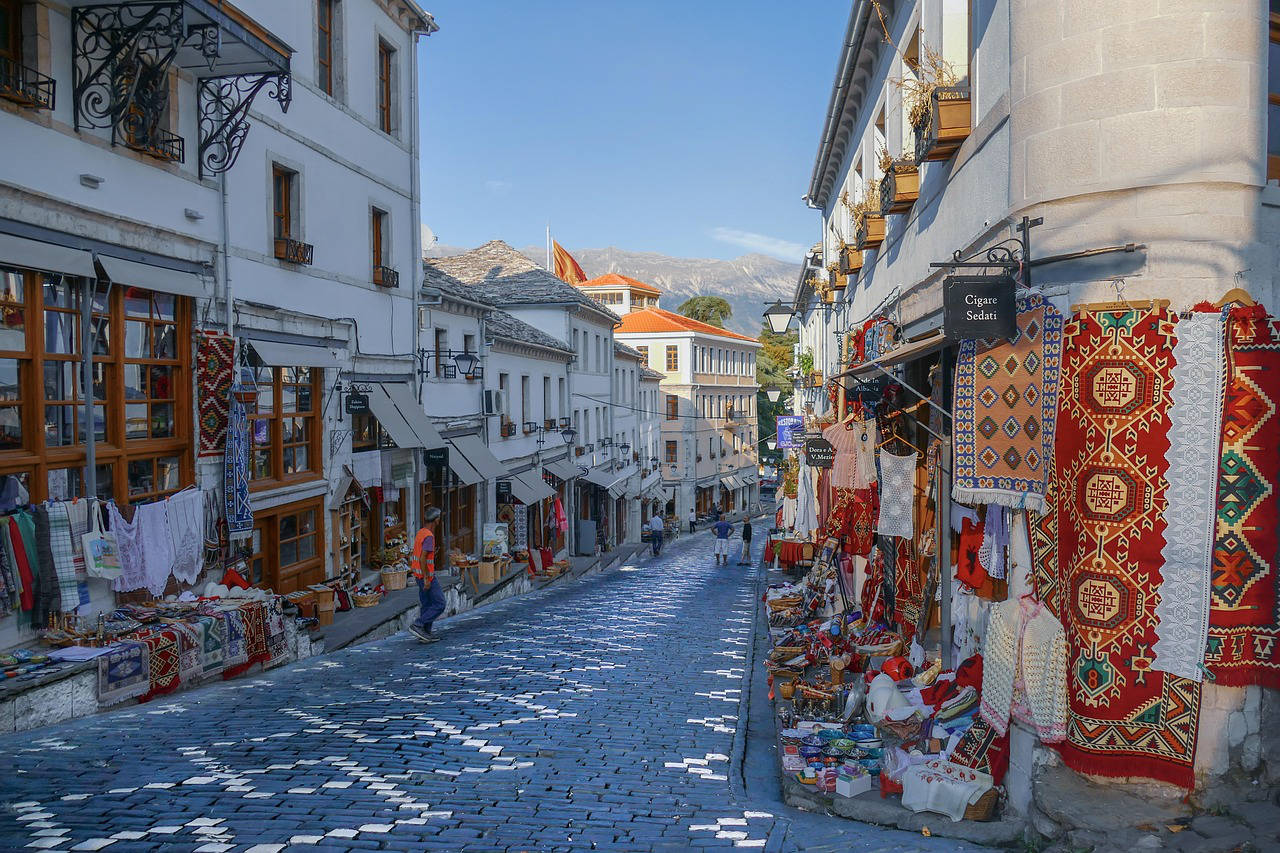
A country that in recent years has become a symbol of excellent value for money.
When to go: January (sightseeing), May-June and September (beach).
Characteristics of periods:
Winter (January-February): This is the time for bargain hunters. Flights and accommodations are at rock bottom prices. While it's not the time for swimming, it's the perfect time to explore Tirana's culinary scene and visit historic cities like Berat and Gjirokastër without a single tourist in the background.
Spring and early summer (May-June): Nature is lush and temperatures are ideal (24-27°C). This is the best time to combine sightseeing with relaxation in the south (Saranda, Ksamil) before the crowds from all over Europe descend.
Also suitable for : July and August (for fans of heat and bustling resorts) and October (for calm, autumn sun).
Italy (Rome, Tuscany, Sicily, Sardinia, Puglia and others)
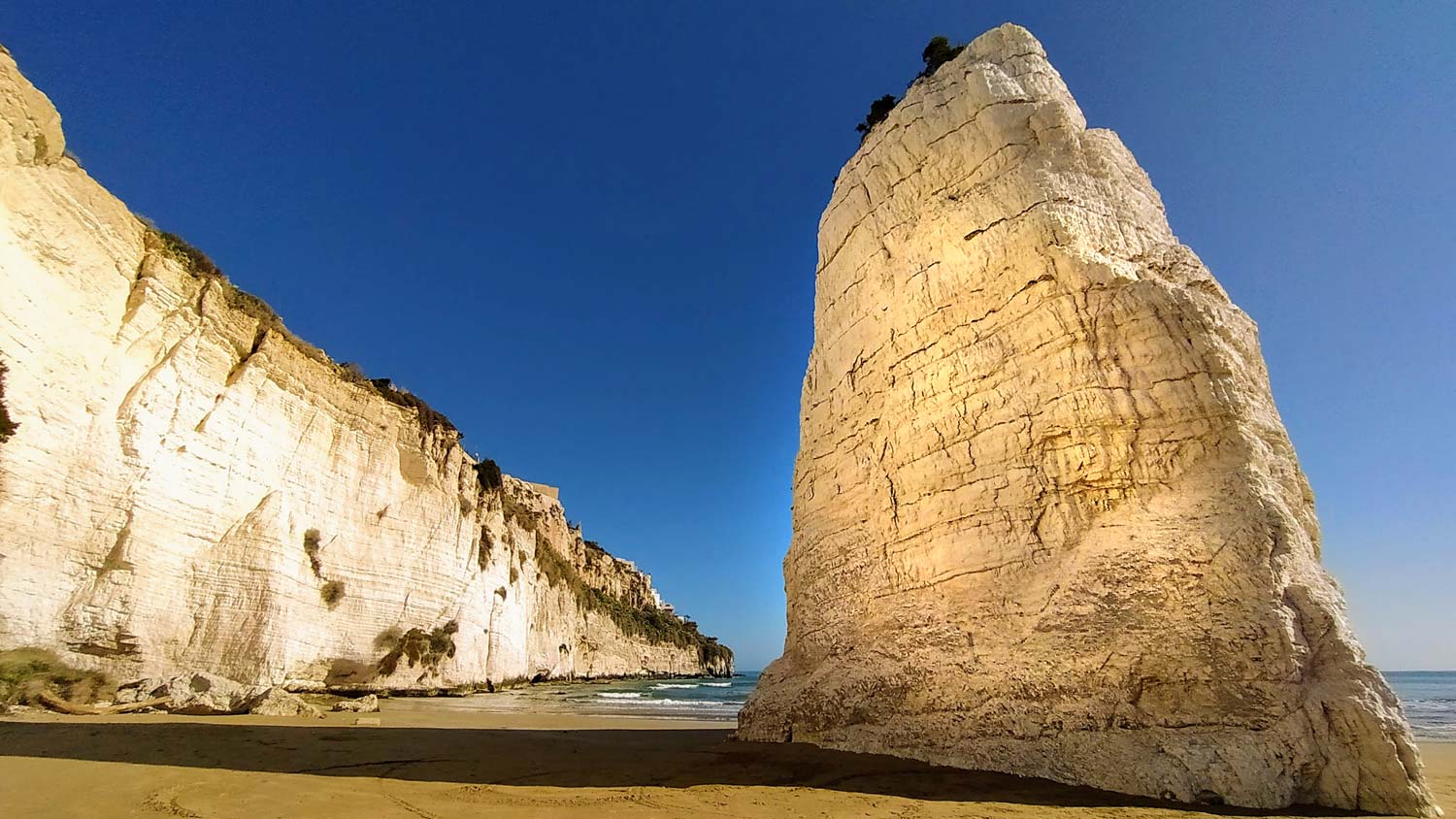
The queen of European tourism, which offers completely different experiences depending on the month.
When to go: February ( Rome ), March ( Rome ), May ( Tuscany , Puglia , Naples ), June ( Sardinia ), September ( Tuscany , Puglia , Naples ), October ( Sicily , Puglia ).
Characteristics of periods:
Winter (February): Rome in February is your only chance to see the Vatican Museums without fighting for every square meter. It's cool but sunny, and hotel prices in the city center are cut in half.
Spring (May-June): Tuscany and Sardinia. In May, Tuscany is vibrantly green. It's the time for photos and wine. June in Sardinia offers the chance to enjoy luxurious beaches at still-affordable prices, with crystal-clear waters and a pleasant breeze.
Autumn (September-October): Sicily in October is a "supplementary summer." The sea warms up after August, and the air temperature (25°C) allows you to explore the Valley of the Temples without risking a stroke.
Also suitable for : April (all of Italy) and November (city and culinary tourism).
Spain (Andalusia, Mallorca, Canary Islands)
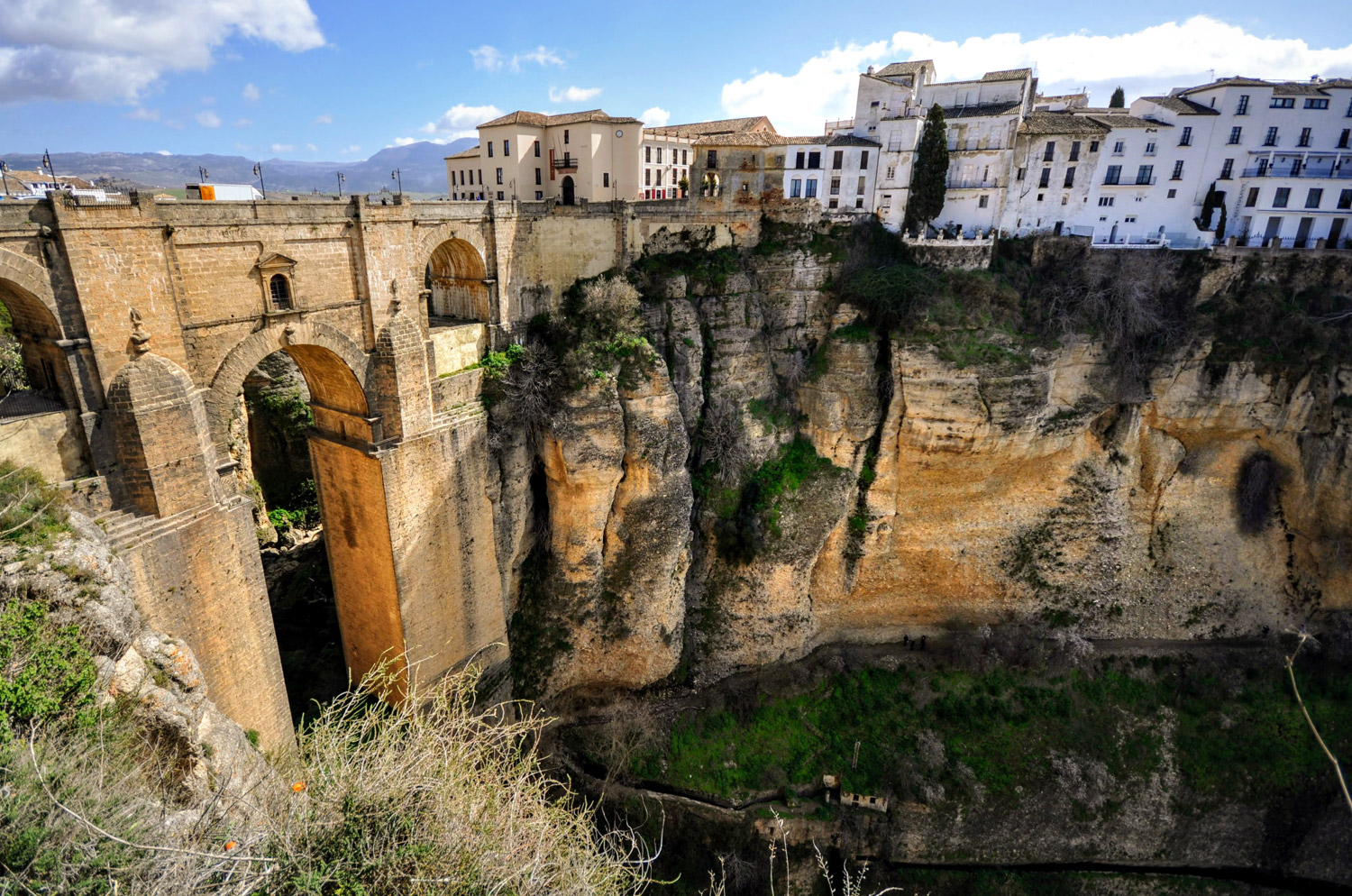
A country with enormous climatic diversity.
When to go: January-February ( Tenerife , Fuerteventura), March-April ( Andalusia ), September ( Mallorca ).
Characteristics of periods:
Winter (January-February): Canary Islands (Tenerife, Gran Canaria, Fuerteventura). This is the only place in Europe where you can feel true summer in January (22-24°C). Perfect for escaping the gloomy Polish weather.
Spring (March-May): Andalusia ( Seville , Malaga ). March and April are the only times when Seville isn't the "frying pan of Europe." Orange blossoms are in bloom, and the city comes alive with local festivals.
Late Summer (September): Mallorca regains its local character in September. The water is at its warmest of the year, and airfares drop significantly as children return to school.
Also suitable for : October (Andalusia and the Canary Islands) and June (Mallorca).
Portugal (Madeira, Azores, mainland Portugal, Algarve)
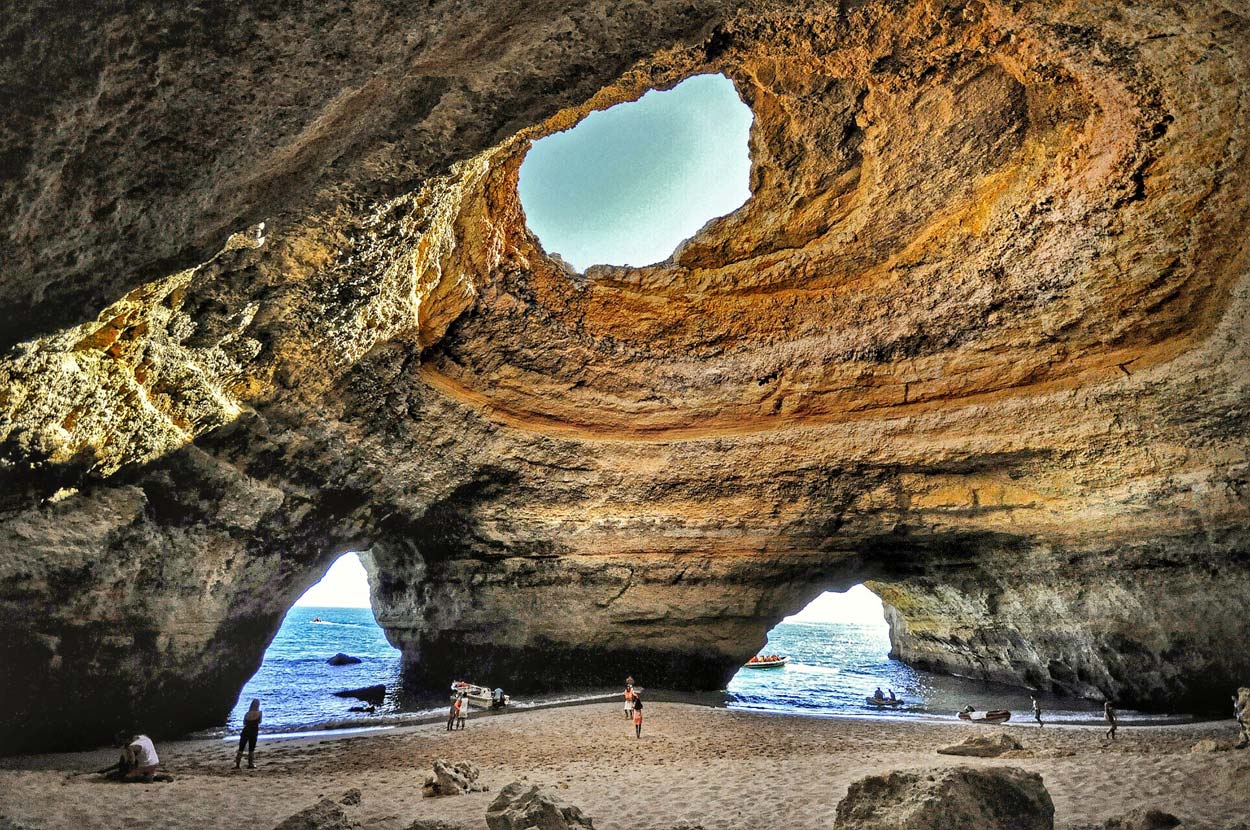
A country for lovers of the ocean and raw nature.
When to go: February ( Madeira ), May ( Madeira ), June (Azores), August ( Portugal , Algarve), October ( Portugal , Algarve).
Characteristics of periods:
Year-round spring (February – May): WoodFebruary is the cheapest and quietest. In May, the island explodes with colorful flowers. It's a paradise for active people, regardless of the water temperature.
Summer (June–August): June offers the best weather in the Azores and the best chance of spotting whales. August is the perfect time to visit the Algarve for those who enjoy the hustle and bustle of the warm ocean, although prices are at their highest then.
Autumn (October): The Algarve in October is a great time for surfing and cliff trekking. It's still very warm, but the tiring crowds have subsided.
Also suitable for : April (Lisbon, Porto) and September (the entire coast).
Greece (Crete, Rhodes and other islands)
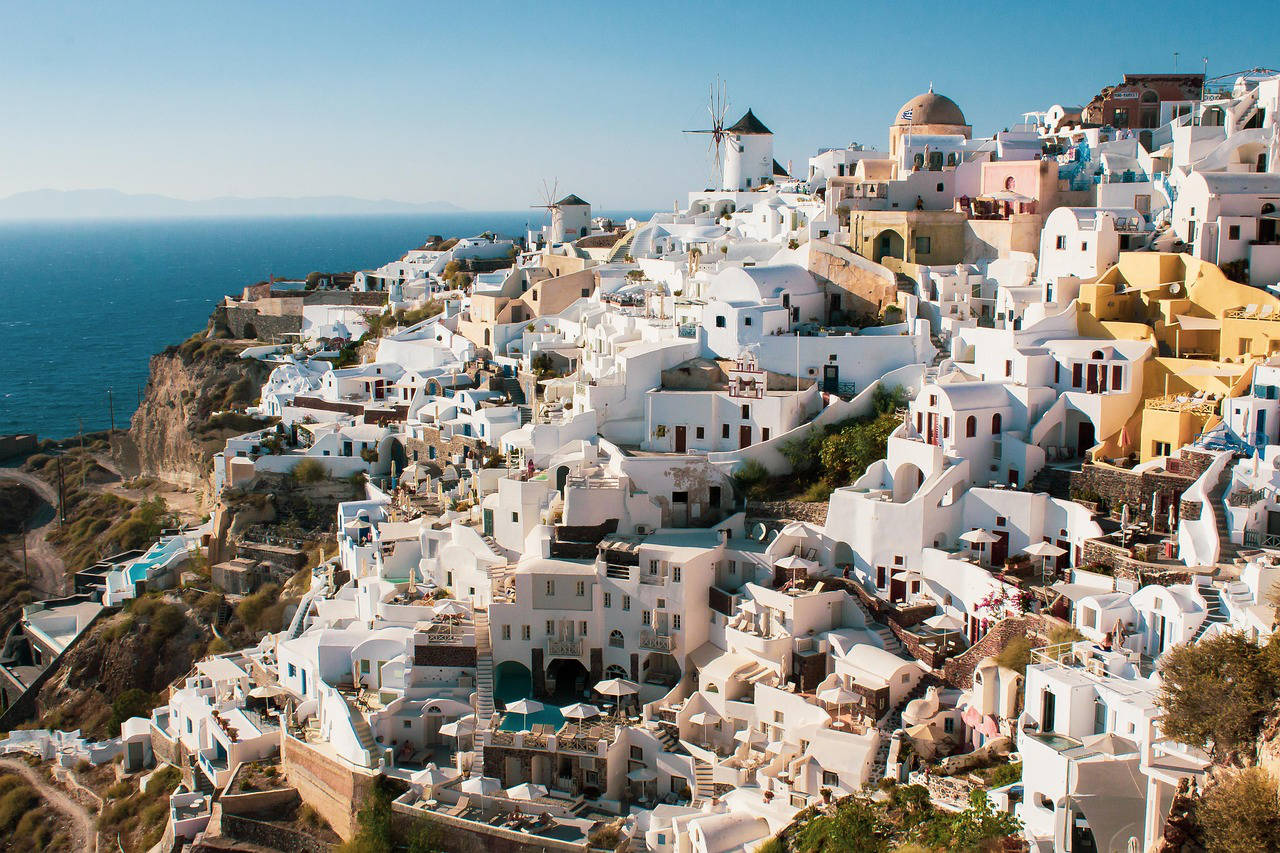
A classic that tastes best outside the peak season.
When to go: May (Crete), September (Rhodes), October (Crete).
Characteristics of periods:
Spring (May): Crete in May is a time for explorers. The gorges are open, the mountains are still snow-capped, and the valleys are full of flowers. This is the time for the cheapest deals at good hotels.
Autumn (September–October): Rhodes and southern Crete. When autumn begins in Poland, summer is at its best there. September offers the perfect balance between temperature and tranquility on the beaches.
Also suitable for : June (ideal for Rhodes) and April (visiting Athens and the Peloponnese).
Egypt
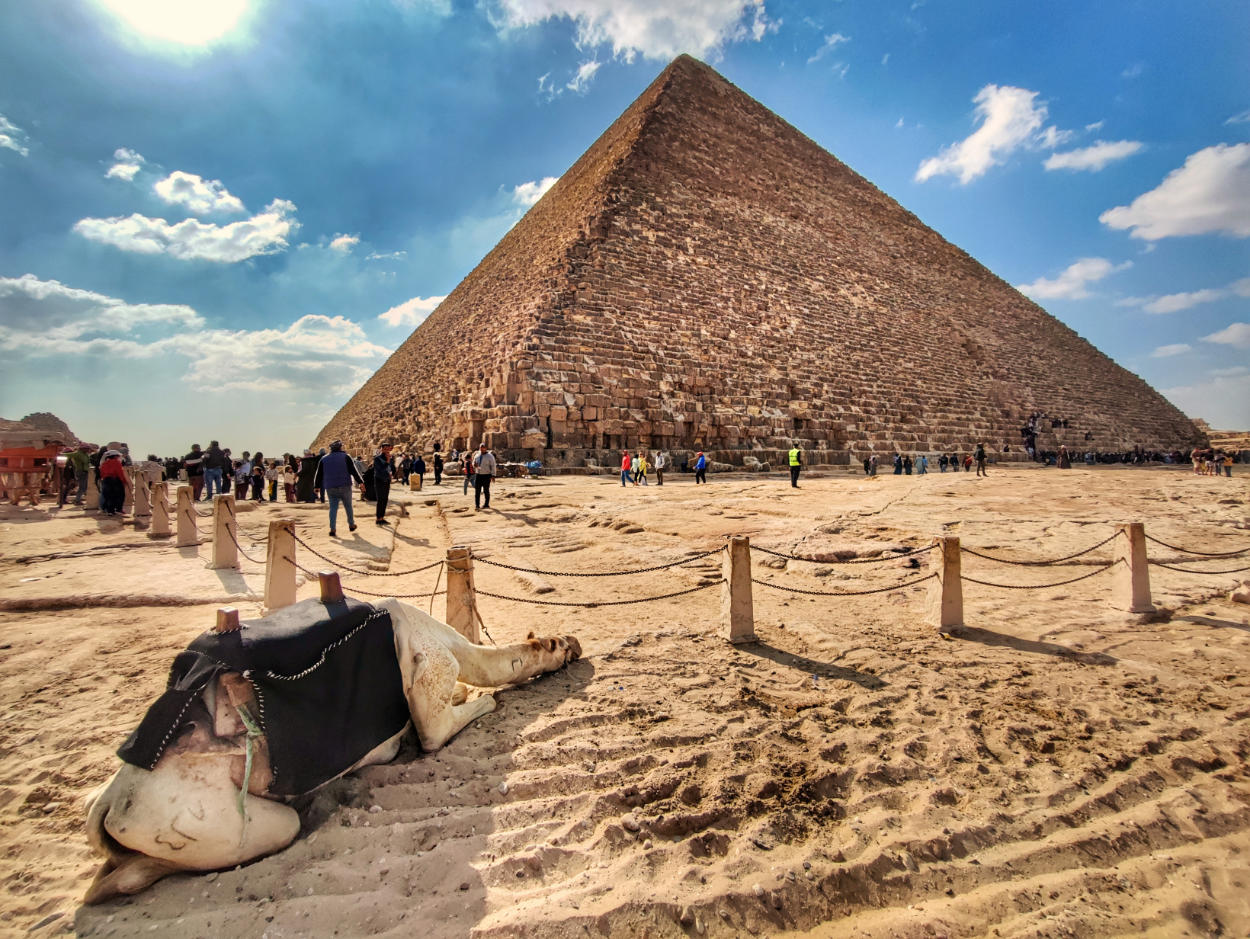
The most stable budget direction near Europe.
When to go: March, October – November, December.
Characteristics of periods:
Autumn (October–November): The absolute best time. The Red Sea water is 27 degrees Celsius, which is ideal for diving, and the air temperature doesn't exceed a comfortable 30 degrees Celsius.
Winter (December–March): A time for those escaping the cold. Prices are very attractive, and the sun shines every day, although evenings require a sweatshirt.
Also suitable for : April and May (before the greatest heat wave).
Malta and Cyprus
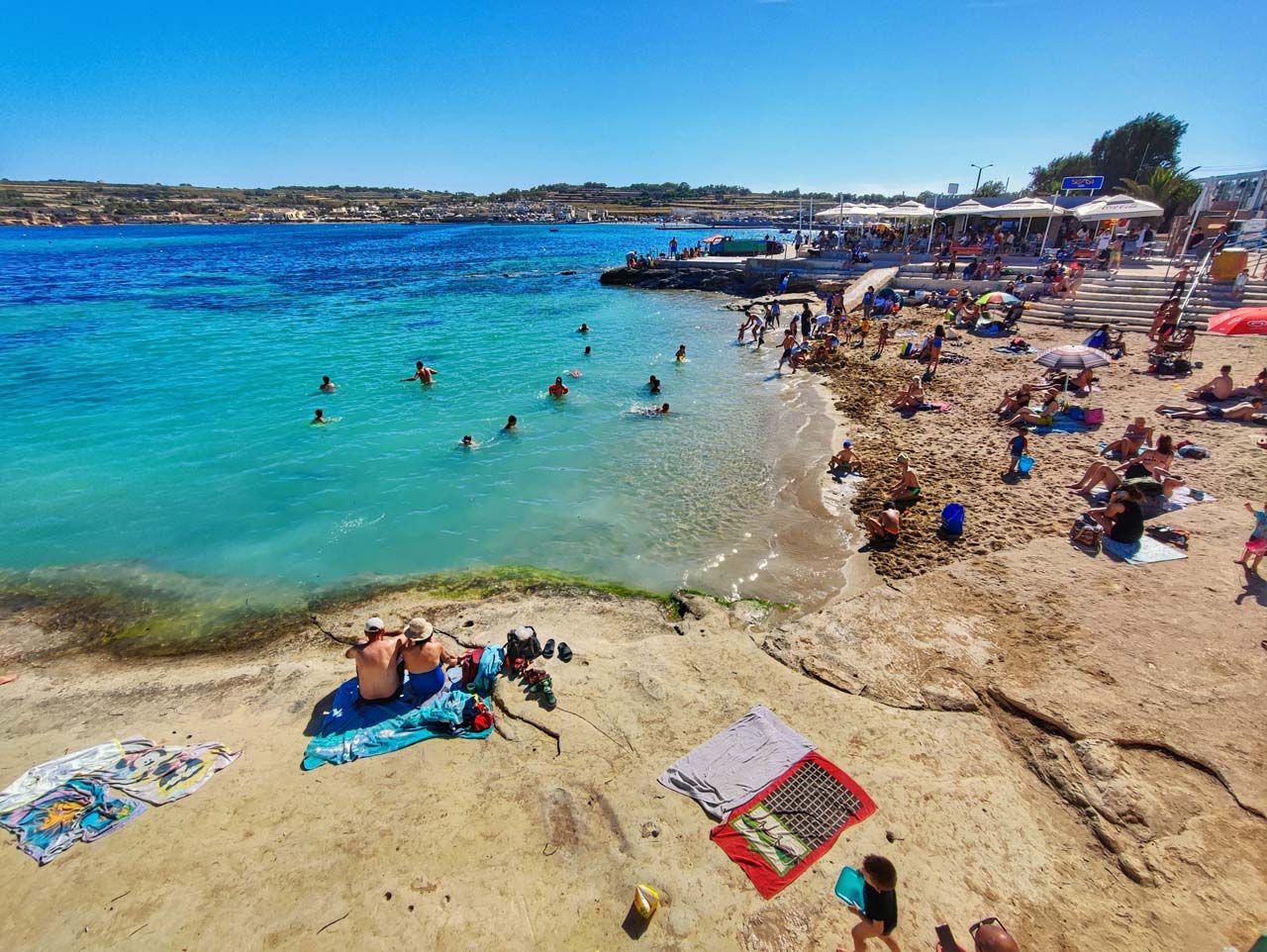
Island nations perfect for extending summer or early spring.
When to go: March (Cyprus), April ( Malta ), November (both islands).
Characteristics of periods:
Early Spring (March-April): March in Cyprus feels like Polish June. This is the perfect time for hiking in the Troodos Mountains. Malta in April offers ideal conditions for visiting sandstone towns.
Late autumn (November): This is a "safe haven" price-wise. While other destinations are dying down, Malta and Cyprus still offer around 18-20 degrees Celsius and very cheap flights.
Also suitable for : May, June, September and October.
Tajlandia

A direction that requires adjustment to the rainy season.
When to go: January – March.
Characteristics of the period:
Winter (January–March): This is the so-called dry season. Blue skies and calm seas are guaranteed. Although this is the most expensive period, statistically it offers the most satisfaction from an exotic trip.
Also suitable for : December (beginning of the season) and July-August (but only islands in the Gulf of Thailand, such as Koh Samui, where there is less rain then).
Tips that can sometimes help
The Psychology of Last-Minute Deals
True last-minute deals are practically nonexistent in the form we knew from yesteryear. Today's systems are too intelligent. Such offers are usually sales on places no one wanted. If you prioritize quality, you'll always win by booking in advance.
The hidden costs of budget airlines
A dirt-cheap ticket is just the beginning. Always consider the total cost: add up luggage, seat selection, and transportation from the airport (often 100 km away). Sometimes, a traditional airline flight to a major airport works out cheaper when you add up these expenses.
Modern airlines make more money off your luggage than the flight itself. Invest in a high-quality backpack sized for carry-on luggage. If you're traveling as a couple for a week, try packing two carry-ons and one checked bag halfway. This can save you up to €100-150 per flight.
The Weekend Trap
If you can, fly Tuesday-Tuesday. Midweek flights are 20-30% cheaper. Fridays and Sundays are always the most expensive, as they're busiest.
Financial protective shield
Use the three-source rule:
– multi-currency card: for payments in stores.
– credit card: necessary if a deposit for the car is required.
– cash in local currency: for small items in small villages.
Tip : When paying by card, the terminal may ask for currency conversion. Always choose to pay in local currency. This way, the conversion will be at your card's exchange rate, not the terminal operator's significantly lower rate.
Smart insurance
Don't buy the cheapest insurance. Check the amount of medical expenses (minimum €30 in Europe) and the so-called alcohol clause. Without it, the policy may not cover an accident after a single glass of wine with dinner.
Geopolitics and local events
Before you book your flight, check the calendar of events in a given country.
Example : March in Muslim countries (e.g., Jordan, Morocco, Turkey) can fall during Ramadan. This means restaurants are closed during the day and massive traffic jams in the evenings. Meanwhile, May Day in Poland sees flight prices from Polish airports rise by 300%, while flights from Berlin or Prague can be standard fares.
Check the dates of major conferences and trade shows in cities like Milan and Barcelona. One major medical convention can drive up hotel prices across the city by 400% in a single week.
On-site time management
Time is also a currency. If you're going to Rome for three days, don't waste four hours queuing at the Colosseum to save 5 euros on online tickets.
Video ID when renting a car
Most people inspect a car when renting, but they do so cursorily. Companies (especially the cheaper ones) can charge for scratches that have been there for years.
Tip: Before getting in the car, record a 360-degree video of the entire car on your phone, focusing on the rims, bumpers, and sills. Do this slowly and clearly. If anyone tries to convince you of damage when you return it, pull out your phone and record the video, showing the date and condition of the car upon pickup. This cuts out 99% of the arguments.
The digital SIM revolution (eSIM)
Roaming outside the European Union is financial suicide, and looking for a local SIM card point upon arrival is a waste of time.
Tip: If your phone supports the eSIM standard, install an app with data plans before departing Poland. Once you land in, say, Turkey or Egypt, simply activate the virtual card and you'll have internet access from the moment you land. It costs a fraction of roaming costs and saves you the hassle of searching for Wi-Fi to call a taxi.
The Psychology of "Sea View"
Many hotels charge a hefty premium for rooms with sea views, for example. Statistically, you only spend time in your room sleeping and doing your morning routine.
Tip: Book a standard room (often with a garden or city view). When checking in, politely ask if there's a chance of a room with a better view. Outside of peak season, hotels often offer these upgrades for free to build good relationships with guests. If it doesn't work out, you've still saved a few hundred złoty, which you can spend on dinner at a restaurant with an even better view.
15-minute filter – how to choose a restaurant?
How can you avoid eating at tourist spots where the food is frozen and expensive? Look at the menu. If it offers pizza, burgers, gyros, and sushi all at once, run.
Tip: The best places are usually at least a 10-15-minute walk from the main square or monument. Look for restaurants with 10-12 items on the menu. This guarantees fresh and rotating ingredients.
FAQ: Frequently asked questions about travel planning
Do Last Minute Deals Really Exist Anymore?
In their traditional form, as incredible deals at a fraction of the price, they've practically disappeared from the airline market. Airline systems are now too efficient at optimizing seat fill. These days, "last-minute" deals are usually just sales on things no one wanted to buy beforehand. If you're looking for a specific standard and a good location, you'll always win by booking in advance, following my strategy.
Why shouldn't I book a flight and hotel at the same time?
Because these are two different industries with different pricing dynamics. It's best to book flights well in advance (3-6 months), when the cheapest tickets are available. Hotels, on the other hand, often lower their prices several weeks in advance to avoid vacancies. By booking everything at once, you miss out on the chance to take advantage of hotel promotions that appear later.
How to avoid huge internet bills outside the European Union?
Roaming outside the EU is financial suicide. Instead of searching for free Wi-Fi, use eSIM technology. If your phone supports this standard, you can install a virtual card with a data plan before leaving Poland (e.g., through the Airalo, Yesim, or similar apps). It costs a fraction of roaming, and you'll have internet the moment you land.
Does frequently checking flight prices make the ticket more expensive?
This is one of the biggest myths, but it contains a grain of truth. Airlines use so-called dynamic pricing. While simply refreshing the page rarely raises the price just for you, the systems recognize growing interest in a given date and can raise the price for everyone.
What is an alcohol clause in insurance and why is it important?
Most standard policies will not cover you if you were under the influence of alcohol at the time of the accident (even after a single glass of wine with dinner). An alcohol policy extends coverage to cover such situations. Considering that we often enjoy drinks or local spirits while on vacation, paying a few zlotys extra for this coverage is the wisest investment in your peace of mind.
How to avoid hours-long queues at the most popular attractions?
The rule is simple: forget about on-site ticket offices. Modern tourism relies on entry limits and online reservations. By purchasing tickets online (even the day before), you usually choose a specific entry time and avoid the longest lines. My post includes a search engine that will help you sort this out in a matter of minutes.
Is it worth exchanging currency at a currency exchange office before leaving?
Usually not. Exchange rates at stationary currency exchange offices, especially those at airports, are extremely unfavorable. The best solution is a multi-currency card (e.g., Revolut), which offers market rates. It's best to carry only a small amount of local cash for small expenses in places where terminals haven't yet arrived.
Important to me!
Give the article a good rating (5 stars welcome 😀)!It's free, a for me it is very important! The blog lives on visits and thus has a chance to develop. Please do it and ... thank you in advance!
If you like my guides, you will certainly find the one I created useful guide catalog - [click]. There you will find ready-made ideas for your next trips, descriptions of other tourist destinations and an alphabetical list of guides divided into countries, cities, islands and geographical regions.
I also post link to Facebook profile - [click]. Come in and press "Follow"then you will not miss new, inspiring posts.
Unless you prefer Instagram. I'm not a social media demon, but you can always count on something nice to look at on my instagram profile - [click]. The profile will gladly accept any follower who likes it.
I read ALL the comments (and many times). Under each of them I could write that Thank you very much, because you are real fantastic. I often come back to comments because they give me motivation and energy. For me this is invaluable a treasure trove of good emotions!
Thank you for this here (I don't want to clutter the comments with repeated thanks). Know that by leaving a kind word here, you are doing a really good job for me!
I make the content I create available free of charge with copyright, and the blog survives from advertising and affiliate cooperation. So, automatic ads will be displayed in the content of the articles, and some links are affiliate links. This has no effect on the final price of the service or product, but I may earn a commission for displaying ads or following certain links. I only recommend services and products that I find good and helpful. Since the beginning of the blog's existence, I have not published any sponsored article.
Some of the readers who found the information here very helpful, sometimes ask me how you can support the blog? I do not run fundraisers or support programs (type: patronite, zrzutka or "buy coffee"). The best way is to use links. It costs you nothing, and support for the blog is self-generating.
Pozdrawiam

Thank you so much for the guide; I appreciate the tremendous amount of work. Thanks for the catalog of maps and guides. I'd previously entered cities and countries and searched for your guides. I always use them. You're exceptional; what you do is wonderful. Thank you and best regards. Ania
I'm very pleased. Thank you!
What a fantastic piece of work! I'm so impressed and have so much respect for you for taking the time to write this down, describe it, and help people make good holiday choices 👍
As usual 10/10 ❤️ Comment for reach 😉
Mr. Jacek, as always, reliable and on point! For all your work, you should receive a tourism Oscar 😉 or a tourism Nobel Prize ☺️
Excellent kit – a lot of work put in. I appreciate it,
Thank you Jaca 🙂
Thank you very much for the guide – it is really well prepared and will be useful when planning future trips, as I didn’t know about some of the things 🙂